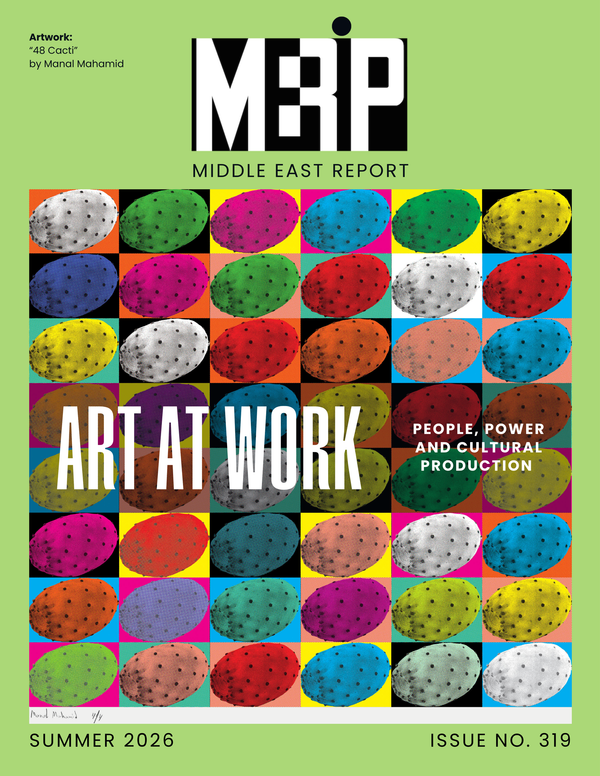
Latest Issue:
Art at Work—People, Power and Cultural Production
Gazing into Gaza with Mahmoud Alhaj
A visual essay featuring Alhaj’s 2024 exhibition 'Control Anatomy.’
‘Women at Work’—Challenging the Art/Craft Divide
A review of the Dalloul Art Foundation’s 2025 exhibition.
MERIP Updates
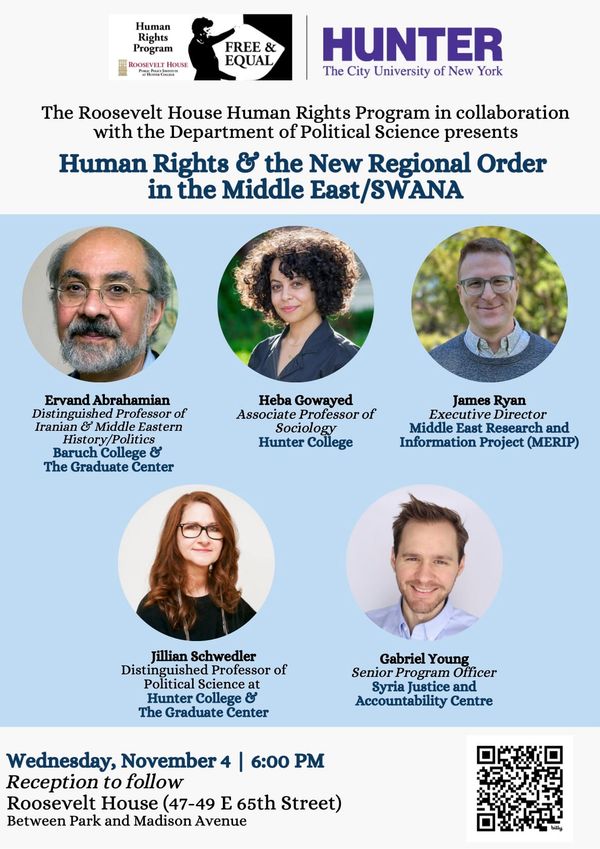
MERIP Signs Statement In Support of Lina Attalah and Mada Masr
Dear Friends and Comrades, MERIP’s Board of Directors has joined the list of 119 civil society and media organizations to condemn an unprecedented attack on Lina Attalah, editor in chief of the independent Egyptian media outlet Mada Masr, who has been referred to trial by Egyptian authorities. Mada Masr’Sabiha Allouche Joins MERIP Board of Directors
Dear Friends and Comrades, Today I am happy to announce that Sabiha Allouche, a longtime MERIP contributor and editor, and Senior Lecturer in Middle East Politics at the Institute for Arab and Islamic Studies at the University of Exeter has been elected to MERIP’s Board of Directors. Her workThe MERIP Podcast Episode 30: Nafiseh Sharifi
Today on the MERIP Podcast we’re sharing an interview with Nafiseh Sharifi about her recent article in Middle East Report, “Soundtrack of Dissent–Protest Music in Iran.” Sharifi is an Iranian anthropologist and an Honorary Research Fellow at the Institute of Arab and Islamic Studies at the University ofBuilding a Sustainable Future for MERIP
Dear Friends and Comrades, When I came on board at MERIP in 2024 the task at hand was clear: find ways to engage our audience and our supporters more deeply and remain accessible to a wide audience. We’ve come a long way in accomplishing that goal. Our new website,The MERIP Podcast Episode 29: 25 Years Since 9/11 And Still No Justice--Here's Why
Today on the MERIP Podcast we’re sharing a recording of a live event featuring Lisa Hajjar and John Ryan discussing their last two decades of reporting, researching and writing from Guantánamo Bay. This event, which took place in Washington, DC, at Busboys and Poets on September 13th, marked the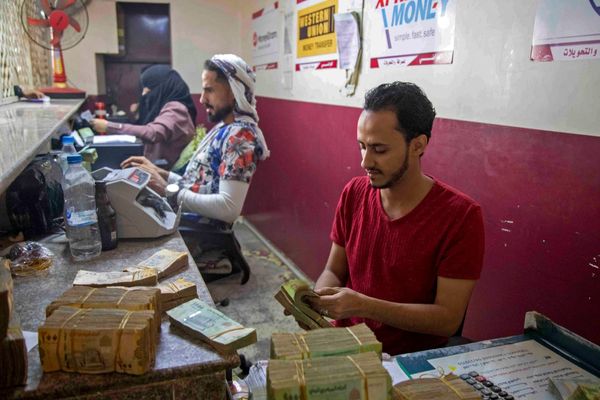
NEW: Remittances at Risk–War, Sanctions and Financial Insecurity in Yemen
Dear Friends and Comrades, With the conflict in Yemen taking a dramatic turn this week, we are sharing a new article that examines how the sanctions regime imposed on Houthi territory has impacted households across the country. In “Remittances at Risk–War, Sanctions and Informal Finance in Yemen,” Oshin PandeyThe MERIP Podcast Episode 28: Arran Walshe
Today on the MERIP Podcast James Ryan talks with Arran Walshe, a journalist and researcher based in Amman. Walshe is the author of “Alternative Amman–Making Counterculture in the Jordanian Capital,” which appeared in our summer issue of Middle East Report, Art at Work–People, Power and Cultural Production. This
Current Analysis
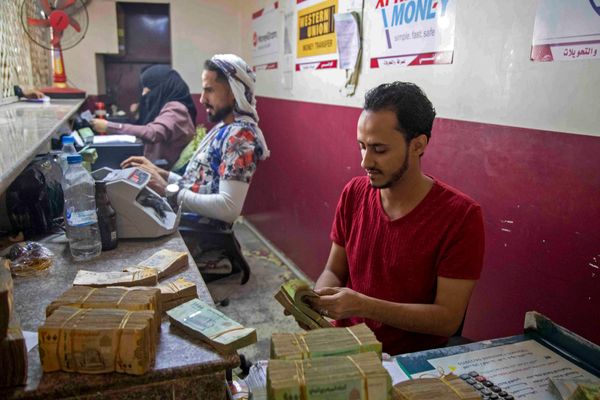
Remittances at Risk—Sanctions, War and Informal Finance in Yemen
Yemeni migrant workers abroad send billions of dollars to Yemen every year, making remittances one of the country’s largest and most consistent sources of foreign currency. The primary corridor runs through Saudi Arabia, which accounts for an estimated 61 percent of Yemen's formally recorded remittance inflows, with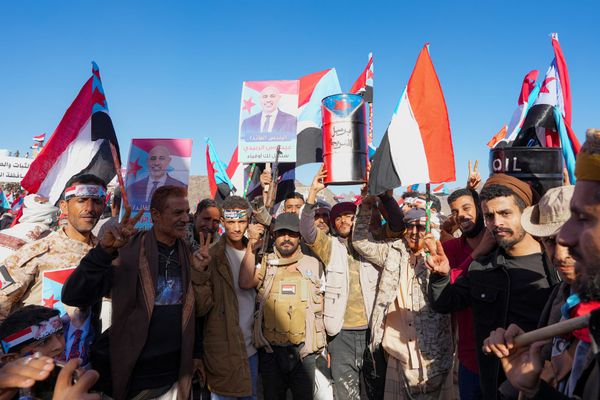
Yemen After the Saudi-Emirati Split
In early December 2025, Yemen’s Southern Transitional Council (STC) took many by surprise when it seized control of the country’s oil-rich Hadhramaut governorate, a region that had been under the control of Saudi-backed forces. After its eastern neighbor al-Mahra declared allegiance to the STC, the
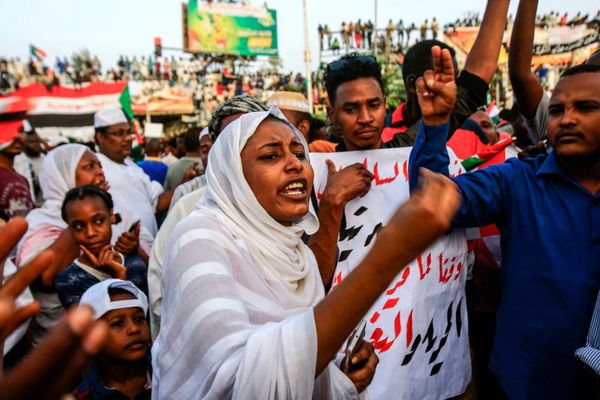
Rethinking Political Change in Iran from Protest to War
One month before the United States and Israel began the current war against Iran on February 28, 2026, mass uprisings within the country resulted in the severest government crackdown in its modern history. Protests and repression were accompanied by calls for outside intervention. US President Donald Trump declared on January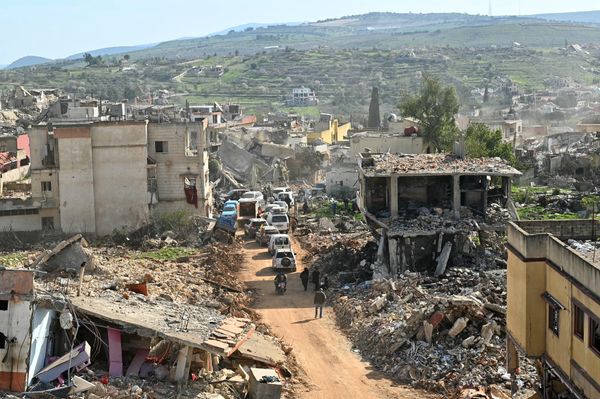
'Our Compass is Broken'—Israel's Ongoing War in South Lebanon
Every day since the beginning of Israel’s war on Gaza in 2023, my father, like many other villagers from Lebanon’s south, has listened to the news in the hope of hearing that he can return to our village along the border of South Lebanon and rebuild our house.Primers
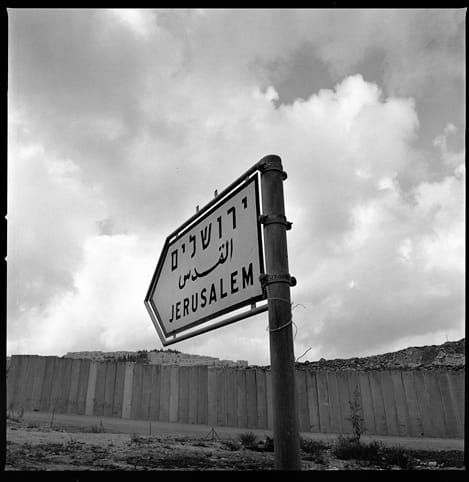
Palestine and Israel—A Primer
This primer provides an overview of key actors, organizations, historic events, political developments and diplomatic initiatives that have shaped the status and fate of Palestinians and the State of Israel from the late nineteenth century to the present. It is divided into topical sections and organized roughly chronologically—although some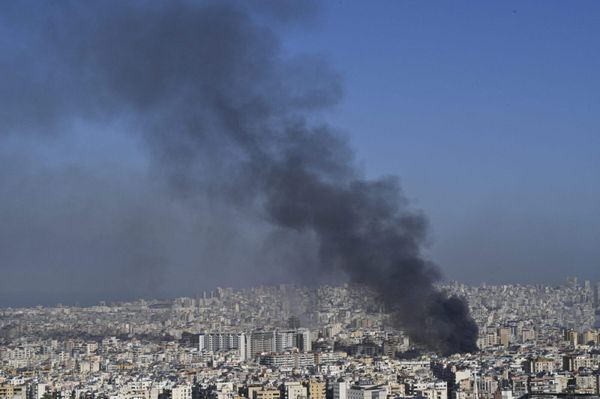
MERIP Updates
MERIP Signs Statement In Support of Lina Attalah and Mada Masr
Dear Friends and Comrades, MERIP’s Board of Directors has joined the list of 119 civil society and media organizations to condemn an unprecedented attack on Lina Attalah, editor in chief of the independent Egyptian media outlet Mada Masr, who has been referred to trial by Egyptian authorities. Mada Masr’Sabiha Allouche Joins MERIP Board of Directors
Dear Friends and Comrades, Today I am happy to announce that Sabiha Allouche, a longtime MERIP contributor and editor, and Senior Lecturer in Middle East Politics at the Institute for Arab and Islamic Studies at the University of Exeter has been elected to MERIP’s Board of Directors. Her workThe MERIP Podcast Episode 30: Nafiseh Sharifi
Today on the MERIP Podcast we’re sharing an interview with Nafiseh Sharifi about her recent article in Middle East Report, “Soundtrack of Dissent–Protest Music in Iran.” Sharifi is an Iranian anthropologist and an Honorary Research Fellow at the Institute of Arab and Islamic Studies at the University ofBuilding a Sustainable Future for MERIP
Dear Friends and Comrades, When I came on board at MERIP in 2024 the task at hand was clear: find ways to engage our audience and our supporters more deeply and remain accessible to a wide audience. We’ve come a long way in accomplishing that goal. Our new website,The MERIP Podcast Episode 29: 25 Years Since 9/11 And Still No Justice--Here's Why
Today on the MERIP Podcast we’re sharing a recording of a live event featuring Lisa Hajjar and John Ryan discussing their last two decades of reporting, researching and writing from Guantánamo Bay. This event, which took place in Washington, DC, at Busboys and Poets on September 13th, marked the
NEW: Remittances at Risk–War, Sanctions and Financial Insecurity in Yemen
Dear Friends and Comrades, With the conflict in Yemen taking a dramatic turn this week, we are sharing a new article that examines how the sanctions regime imposed on Houthi territory has impacted households across the country. In “Remittances at Risk–War, Sanctions and Informal Finance in Yemen,” Oshin PandeyThe MERIP Podcast Episode 28: Arran Walshe
Today on the MERIP Podcast James Ryan talks with Arran Walshe, a journalist and researcher based in Amman. Walshe is the author of “Alternative Amman–Making Counterculture in the Jordanian Capital,” which appeared in our summer issue of Middle East Report, Art at Work–People, Power and Cultural Production. This